
“Friends don’t let friends get Friends haircuts” was the message scrawled on the body of Mike Inez’s bass guitar as his band, Alice In Chains, performed their now legendary MTV Unplugged set on 10th April 1996. In the audience that day were members of the freshly shawn Metallica, themselves gearing up to release their new record, ‘Load’, the highly anticipated follow up to 1991’s mega-selling, career-defining ‘Metallica’, or as we all know it, ‘The Black Album’. Inez’s jibe was good hearted in nature, but it shone a light on the change Metallica were heading in. The thrash uniform of tight denim, white trainers and unruly hair were long gone, replaced with a Metallica decked out in black suits, eyeliner and short, quiffed hair. The biggest change of course wouldn’t be the haircuts, it would be the music. ‘Load’ would find Metallica deep in the territory of blues rock, groove metal, grunge, southern rock and…country? How exactly did the originators of thrash end up here?
Retrospective: Metallica – ‘Load’
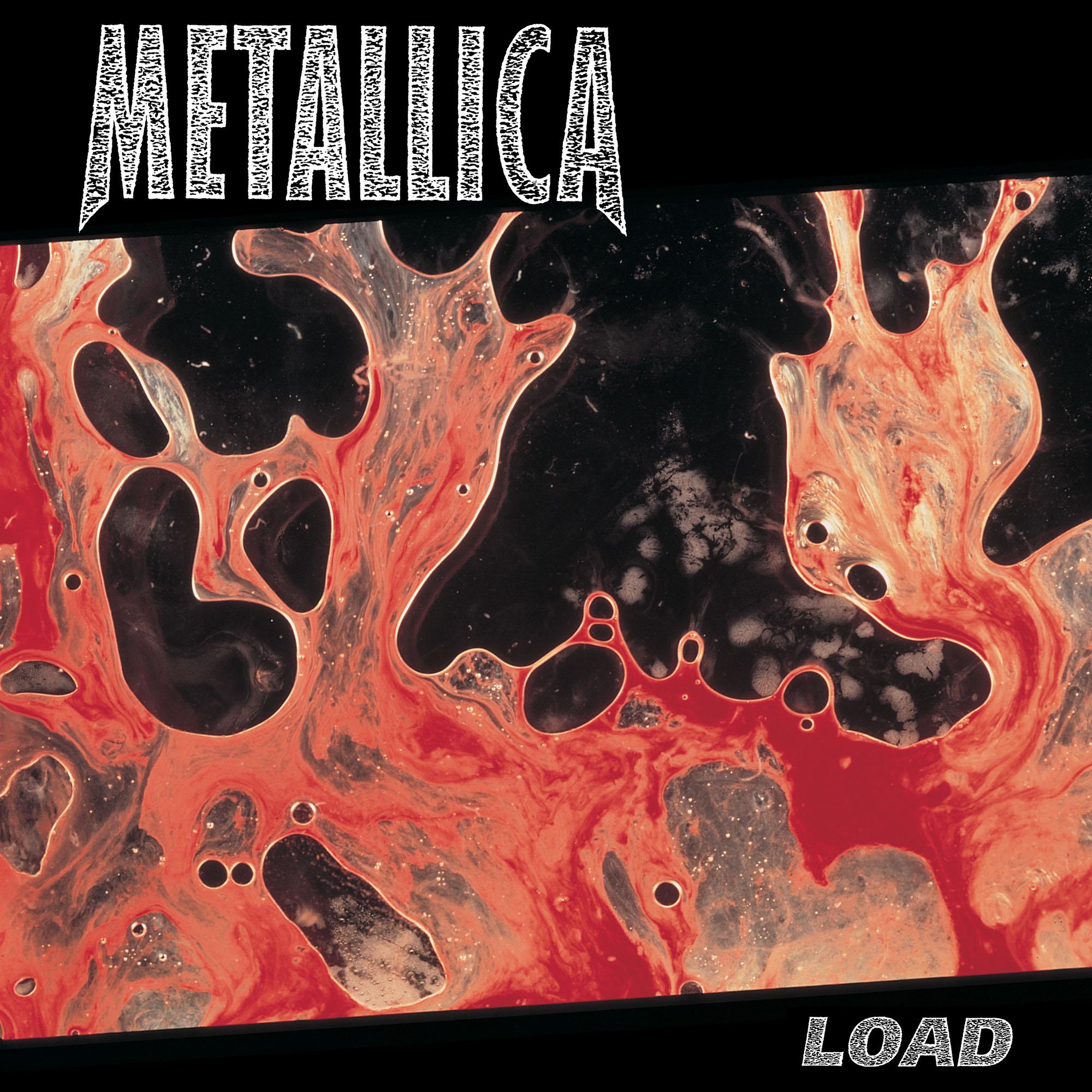
Celebrating its 30th birthday, we look at Metallica's 'Load' assessing how grief, creativity and musical influences paved the way for the Thrash Godfather's most underrated album.
It’s the 1980s, California, and along with bands like Exodus, Slayer and Testament, Metallica were developing a new type of metal; Thrash. Fusing the technicality and speed of the new wave British Heavy Metal bands such as Iron Maiden, Diamond Head and Saxon with the raw punk-permeated metal of Motorhead and Venom, thrash was becoming its own unstoppable beast. Metallica’s 1983 debut ‘Kill ‘Em All’ paved the way for its two follow up masterpieces, 1984’s genre defining ‘Ride The Lightning’ and the now all-time 1986 classic ‘Master Of Puppets’.
Whilst riding the wave of their success, disaster struck in the early hours of 27th September 1986, as the tour bus carrying the band through Sweden skidded off the road, fatally injuring the band’s beloved bassist and dear friend Cliff Burton. The remaining devastated trio of James Hetfield, Kirk Hammett and Lars Ulrich, pondered their future, ultimately deciding with the blessing of Burton’s parents, that Cliff would want the band to carry on. Struggling at such a young age to process their grief, and armed with new bassist Jason Newstead, Metallica entered the studio in the early months of 1988 to record the idiosyncratic, harsh and complex ‘…And Justice For All’, the darkest, most aggressive album in the band’s catalogue.
A critical and commercial success, the band embarked on a further world tour. What came next would polarise fans forever – ‘Metallica’ aka ‘The Black Album’. Enlisting the help of hard-rock producer Bob Rock, the band refined their sound, eschewing the complex song structures of the previous two albums, instead focusing on a bluesier, repetitive approach to riffing and writing one of the most popular heavy metal ballads of all time, ‘Nothing Else Matters’ as well as the catchy classics ‘Enter Sandman’ and ‘Sad But True’. It sold in its millions and remains one of the biggest albums of all time.
So what next for the planet’s biggest metal band? The clues lay in the bluesy grooves of ‘The Black Album’ tracks ‘The God That Failed’ and ‘Don’t Tread On Me’. A more mid-tempo, honed approach to their songcraft, these tracks held the hints of where they were headed next. But if thrash purists found ‘The Black Album’ hard to digest, then ‘Load’ would truly get stuck in their throat, dividing the fanbase forever.
Writing sessions for what would become ‘Load’ and its immediate 1997 follow up ‘ReLoad’ were fervently fruitful. Initial ideas, riffs and songs begin to take shape in early 1994, with 30 tracks brought to recording sessions in 1995. The songs were looser, groovier, covering a myriad of styles and strayed even further from their thrash roots than they had on ‘The Black Album’. All band members were notable for broadening their musical influences in the early 90s, with Hetfield exploring the work of singer/songwriters Leonard Cohen and Tom Waits, whilst the band’s other chief songwriter and noted anglophile Ulrich soaked up all things Britpop, famously declaring his love for Oasis. It’s unsurprising then that the band were wanting to escape the genre trappings of their origins when their own tastes were heavily diversifying. Metal itself was also in a state of flux, with grunge seemingly rewriting the rules on what it meant to be authentic, a palette cleanser to the excesses of the previous decade’s hair metal, ushering in simplistic song structures and a more introspective, heart-on-sleeve approach to lyric writing. For the first time in their careers, it was claimed, Metallica looked to be chasing trends instead of setting them. But a closer look at the band’s evolution reveals it to be a much more organic evolution than first suggested. If ‘…And Justice For All’ saw the band take their sound to its progressive and aggressive zenith, it made sense to the band that its follow up would go in the opposite direction, favouring shorter, catchier tracks that ended up on ‘The Black Album’. ‘Load’ was simply a continuation of this trajectory.
For much of the material on ‘Load’, Hetfield began to take a look in the mirror, adopting a more confessional, personal style to his songwriting, resulting in some of his most soul bearing, moving words to date. Though ‘…And Justice For All’ featured the Cliff Burton penned ‘To Live Is To Die’, it’s on ‘Load’ we hear Hetfield exorcising the pain he felt losing Cliff a decade earlier. “Where do I take this pain of mine? I run but it stays right by my side” croons Hetfield in the opening lines of ‘Until It Sleeps’ over haunting arpeggios and a sensitive, alt-rock arrangement. Similarly ‘Bleeding Me’ finds the song’s tortured author berating himself for the choices he’s made: “The thorn in my side is from the tree I’ve planted” Hetfield sings, a not so veiled reference to the vocalist’s long running relationship with alcohol . On ‘The Black Album’, ‘The God That Failed’ addressed the death of Hetfield’s mother, but the country-tinged ballad ‘Mama Said’ is a far more vulnerable and touching ode, the band’s musical sensitivity and restraint lending even more weight to the heart-rending lyrics. Thrash bands aren’t supposed to make music like this. But Metallica did. Outside of the more tender material, there’s some great all out rockers too, from the stomping singalong of live favourite ‘King Nothing’ to the blusier groove metal of tracks like ‘2×4’, ‘Ain’t My Bitch’ and ‘Ronnie’.
Whilst many were, and still are, dismayed and turned off by the direction Metallica took with ‘Load’ and ‘Reload’, not once in their career at that point had they made the same album twice. They were never going to make ‘Master Of Puppets’ II, and that’s a good thing. Artists should always be looking to explore new avenues, take risks, even if it results in the odd misfire (all eyes on you ‘St. Anger’). For the thrash purists, ‘Load’ was a step too far in a direction they didn’t want to join their thrash heroes in, but thirty years later, it’s clear to see the band were on a creative high. The sheer wealth of material they brought to the sessions, their commitment to the direction they were going in, and the soul bearing nature of Hetfield’s lyrics point to a band very much locked in and passionate about what they were doing. The MTV videos, the accolades, the sell out world tours also suggest many embraced this slightly more radio-friendly incarnation too.
If there are more stars in the sky than there are grains of sand on earth then there’s even more hot takes about ‘Load’ era Metallica than those two combined. If any other band but Metallica had made ‘Load’, it would without question be regarded as one of the definitive albums of the 90s. As it stands, it has the misfortune of having the band’s previous five masterpieces breathing down its neck. Thirty years later however, ‘Load’ remains one of the most cohesive, self assured, well produced and downright enjoyable albums in the band’s catalogue, and along with 1997’s ‘ReLoad’, 1998’s covers album ‘Garage Inc’ and 1999’s spectacular live album ‘S&M’, is indicative of a time when the band hit a uniquely creative and productive streak in their careers.
ADAM FIRTH